


How Can Epidural Steroid Injections Treat Chronic Pain in Wilkes-Barre, PA?
Epidural steroid injections are an effective and minimally invasive treatment option for patients suffering from back pain caused by conditions like herniated discs, degenerative disc disease, sciatica, and more. At Comprehensive Pain Specialists in Wilkes-Barre, PA, Dr. Youssef Josephson, DO, offers personalized care for patients with chronic pain, helping them find relief and improve their quality of life. For more information, contact us or book an appointment online. We are located at 1177 PA-315, Dolphin Plaza, Wilkes-Barre, PA 18702.
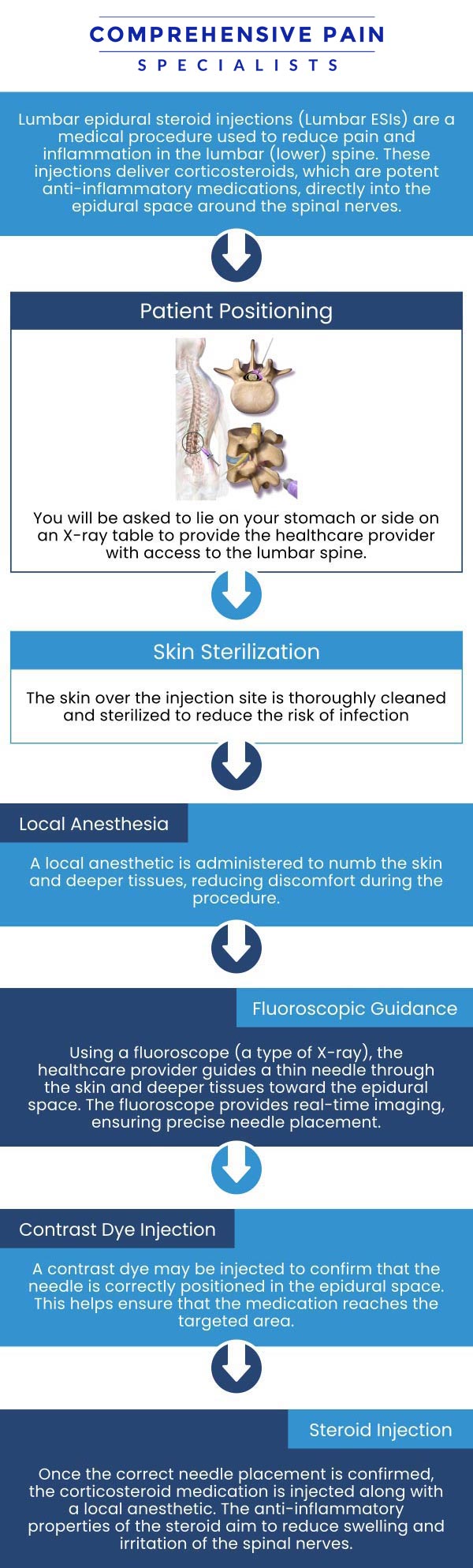
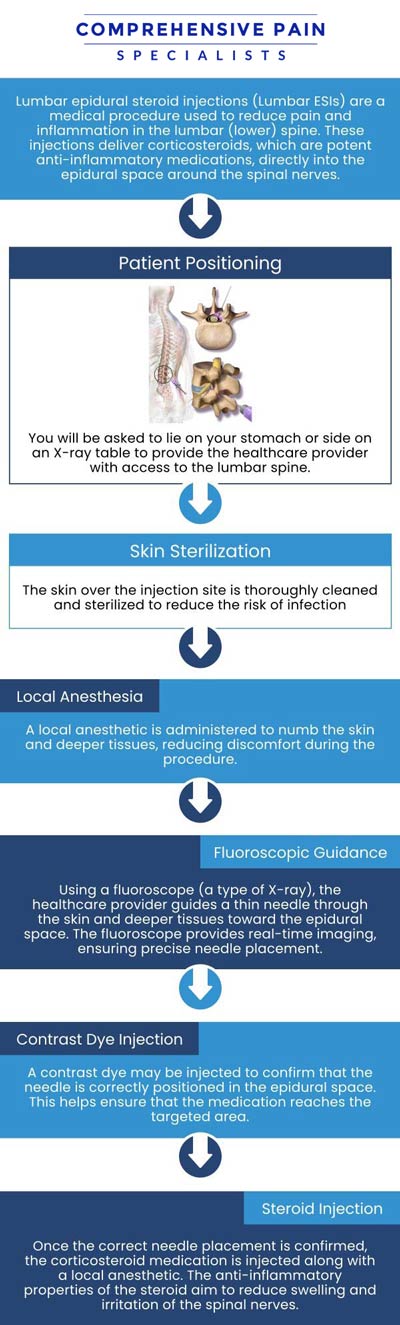
Table of Contents:
How does an epidural steroid injection work to relieve pain?
What conditions are treated with epidural steroid injections?
How is an epidural steroid injection performed?
Are epidural steroid injections effective for back pain?
Is Dr. Youssef Josephson the Right Specialist for Your Epidural Steroid Injections?
An epidural steroid injection (ESI) is a procedure used to relieve pain and inflammation in the spine, particularly in the back and neck. It works by delivering a combination of corticosteroids (powerful anti-inflammatory medications) and a A local anesthetic injected directly into the epidural space around the spinal cord and nerve roots. This targeted approach helps reduce swelling and inflammation, which can alleviate pressure on the spinal nerves, thus providing relief from pain.
The corticosteroids in the injection work by inhibiting the inflammatory process that causes pain, while the local anesthetic numbs the affected area, providing immediate relief. The pain-relieving effects of the injection may last for several weeks to months, enabling patients to restore mobility and enhance their quality of life. The primary goal of an epidural steroid injection is not only to relieve pain but also to provide enough relief to enable patients to participate in physical therapy and rehabilitation, which can help address the underlying cause of the pain.
At Comprehensive Pain Specialists, Dr. Youssef Josephson, DO, uses epidural steroid injections as part of a comprehensive approach to pain management, helping patients find relief from chronic pain and improve their ability to perform daily activities.
Epidural steroid injections are commonly used to treat a variety of spine-related conditions, particularly those involving nerve compression or inflammation. Some of the most common conditions treated with ESIs include:
• Herniated Disc: When a disc in the spine bulges or ruptures, it can press against nearby nerves, causing pain, numbness, or weakness. An ESI can help reduce inflammation and pressure on the nerve, providing relief.
• Degenerative Disc Disease: As discs in the spine age and wear down, they can cause pain and discomfort. An ESI can help reduce inflammation in the affected area and alleviate pain associated with degenerative changes in the spine.
• Spinal Stenosis: This condition occurs when the spaces in the spine narrow, putting pressure on the spinal cord and nerves. An ESI can reduce inflammation and pressure, helping relieve symptoms such as pain and weakness.
• Sciatica: Sciatica is characterized by pain that travels along the sciatic nerve, usually starting from the lower back down to the legs. An ESI can help alleviate the inflammation of the sciatic nerve and reduce pain.
• Facet Joint Arthritis: Arthritis in the small joints of the spine (facet joints) can lead to chronic back pain. Epidural steroid injections can help reduce inflammation and pain associated with arthritis in these joints.
• Radiculopathy: When a nerve root in the spine becomes compressed or irritated,It can lead to pain, numbness, and weakness along the nerve’s pathway. An ESI can reduce the inflammation around the affected nerve, offering relief from these symptoms.
Dr. Josephson at Comprehensive Pain Specialists uses epidural steroid injections as a key part of the treatment plan for patients suffering from these and other spine-related conditions, providing targeted relief and helping patients get back to normal activities.
An epidural steroid injection is performed in an outpatient setting and typically takes around 15 to 30 minutes to complete. Dr. Youssef Josephson, DO, follows a carefully planned procedure to ensure the injection is done safely and effectively:
• Preparation: Before the injection, the patient is positioned comfortably, usually lying on their stomach or side. The area where the injection will be administered is thoroughly cleaned and sterilized to prevent infection.
• Anesthesia: A local anesthetic is used to numb the skin and nearby tissues. In some cases, a mild sedative may be given to help the patient relax during the procedure.
• Needle Insertion: Using fluoroscopic (X-ray) guidance, Dr. Josephson carefully inserts a needle into the epidural space, which is located just outside the spinal cord and nerve roots. The fluoroscopy allows the doctor to visualize the needle’s placement and ensure it is directed precisely to the target area.
• Injection: Once the needle is in place, the steroid medication and local anesthetic are injected into the epidural space. The corticosteroids work to reduce inflammation, while the anesthetic helps provide immediate relief from pain.
• Post-Procedure: After the injection, the patient is monitored for a short period to ensure there are no immediate complications. Most patients are able to go home the same day, but they may be advised to rest for a few hours and avoid strenuous activity.
Patients typically experience some relief within a few days, although the full benefits may take several days to a week to be felt. Dr. Josephson may recommend follow-up visits to assess the effectiveness of the injection and discuss further treatment options, such as physical therapy or additional injections.
Epidural steroid injections can be highly effective for managing back pain, particularly when the pain is caused by conditions such as herniated discs, degenerative disc disease, sciatica, or spinal stenosis. While the injections don’t address the underlying cause of the pain, they provide significant relief by reducing inflammation and swelling around the affected nerves, which is often the root cause of the pain.
For many patients, an epidural steroid injection offers relief from chronic back pain, allowing them to regain mobility, participate in physical therapy, and improve their quality of life. The relief provided by an ESI can last anywhere from a few weeks to several months, depending on the individual and the severity of the condition. In some cases, multiple injections may be necessary over time to provide continued relief.
It’s important to note that while epidural steroid injections can be very effective for managing back pain, they are typically used in combination with other treatments, such as physical therapy, lifestyle modifications, and strengthening exercises. These complementary treatments help address the root cause of the pain and prevent future flare-ups.
Dr. Youssef Josephson, DO, at Comprehensive Pain Specialists, takes a holistic approach to treating back pain. By combining epidural steroid injections with other therapies, Dr. Josephson ensures that each patient receives the best possible treatment plan to manage the condition effectively and enhance their overall well-being.
At Comprehensive Pain Specialists in Wilkes-Barre, Dr. Youssef Josephson, D.O. (Dr. Joe), offers Epidural Steroid Injections (ESI) for treating debilitating spinal pain. This targeted therapy is designed for patients suffering from nerve compression caused by herniated discs, spinal stenosis, or sciatica. Dr. Josephson’s expertise ensures that the anti-inflammatory medication is delivered with precision directly into the epidural space, providing significant relief from radiating leg pain, numbness, and localized back or neck discomfort.
Dr. Josephson offers a specialized range of these procedures, including Cervical, Thoracic, and Lumbar Epidural Steroid Injections, as well as Caudal ESI for lower back and sacral relief. By reducing swelling and pressure around irritated spinal nerves, these injections often provide the “window of relief” necessary for patients to progress in physical therapy. Under Dr. Joe’s compassionate care in the Dolphin Plaza, patients receive a personalized roadmap to recovery that prioritizes non-surgical intervention and a rapid return to daily activities.
Whether you’re struggling with back pain, neck pain, or nerve compression, Dr. Josephson will work with you to develop a tailored treatment plan that addresses your specific needs. For more information, contact us or book an appointment online. We are located at 1177 PA-315, Dolphin Plaza, Wilkes-Barre, PA 18702. We serve patients from Wilkes-Barre PA, Glen Lyon PA, Dallas PA, Pittston PA, Mountain Top PA, Plymouth PA, and surrounding areas.
Check Out Our 5 Star Reviews


Additional Services You May Need
• Back Pain
• Neck Pain
• Joint Pain
• Shoulder Pain
• Hip Pain
• Knee Pain
• Arthritis
• Osteoarthritis
• Rheumatoid Arthritis
• Fibromyalgia
• Sciatica
• Complex Regional Pain Syndrome
• Neuropathic Pain
• Nerve Pain
• Diabetic Neuropathy
• Postherpetic Neuralgia
• Myofascial Pain Syndrome
• Headaches & Migraines
• Chronic Pain
• Failed Back Surgery
• Failed Neck Surgery
• Spinal Arthritis
• Aurora Zip
• Caudal Epidural Steroid Injection
• Cervical Epidural Steroid Injection
• Cervical Facet Radiofrequency Neurotomy
• Lumbar Radiofrequency Neurotomy
• Tenotomie
• Herniated Disc
• Bulging Disc
• Degenerative Disc Disease
• Spinal Stenosis
• Facet Joint Syndrome
• Pinched Nerve
• Spondylosis
• Spondyloisthesis
• Work-Related Injury
• Sports Injury
• Whipash
• Concussion
• Car Accident Injury
• Post-Surgical Pain
• Fracture-Related Pain
• Trigeminal Neuralgia
• Phantom Limb Pain
• Sacroiliac Joint Dysfunction
• Coccydynia
• Sacroiliac Joint Steroid Injection
• Vertiflex Superion Procedure
• Viadisc
• Head Injuries
• Muscle Spasm
• Lumbar Epidural Steroid Injection
• Medial Branch Block
• Sacroiliac Joint Fusions
• Rotator Cuff Tears
• Radiofrequency Ablation
• Migraine Botox

Additional Services You May Need
• Back Pain
• Neck Pain
• Joint Pain
• Shoulder Pain
• Hip Pain
• Knee Pain
• Arthritis
• Osteoarthritis
• Rheumatoid Arthritis
• Fibromyalgia
• Sciatica
• Complex Regional Pain Syndrome
• Neuropathic Pain
• Nerve Pain
• Diabetic Neuropathy
• Postherpetic Neuralgia
• Myofascial Pain Syndrome
• Headaches & Migraines
• Degenerative/Herniated Disc
• Bulging Disc
• Degenerative Disc Disease|
• Spinal Stenosis
• Facet Joint Syndrome
• Pinched Nerve
• Spondylosis
• Spondyloisthesis
• Work-Related Injury
• Sports Injury
• Whipash
• Concussion
• Car Accident Injury
• Post-Surgical Pain
• Fracture-Related Pain
• Trigeminal Neuralgia
• Phantom Limb Pain
• Sacroiliac Joint Dysfunction
• Coccydynia
• Chronic Pain
• Failed Back Surgery
• Failed Neck Surgery
• Spinal Arthritis
• Aurora Zip
• Caudal Epidural Steroid Injection
• Cervical Epidural Steroid Injection
• Cervical Facet Radiofrequency Neurotomy
• Lumbar Radiofrequency Neurotomy
• Tenotomie
• Sacroiliac Joint Steroid Injection
• Vertiflex Superion Procedure
• Viadisc
• Head Injuries
• Muscle Spasm
• Lumbar Epidural Steroid Injection
• Medial Branch Block
• Sacroiliac Joint Fusions
• Rotator Cuff Tears
• Radiofrequency Ablation
• Migraine Botox


 Send Text
 How May I Help You?